

The amount quoted for angiography in Kharadi depends on the vessel being examined, the hospital, the catheter-lab setup, and whether treatment follows the diagnostic study. By the end, you will know which costs to compare, which medical details to provide before booking, and when a booked appointment is inappropriate because symptoms need emergency assessment.
Key takeaways
- Request separate tariffs for coronary, peripheral, and combined angiography.
- Confirm whether the quote includes contrast, consumables, medicines, monitoring, and recovery.
- Ask why angiography is needed and whether ultrasound, CT, or another test comes first.
- Get written discharge instructions and seek urgent help for bleeding, chest pain, or limb changes.
What angiography costs in Kharadi and what the quote should include
There is no single coronary peripheral angiography in Kharadi cost. A current rupee figure must come from a verified Kharadi hospital tariff: publish separate prices for diagnostic coronary angiography, diagnostic peripheral angiography, and combined coronary-and-peripheral angiography, rather than an unsupported range.
The final angiography cost in Kharadi depends on the hospital, catheter-lab charges, operator fee, iodinated contrast, medicines, laboratory tests, ECG, imaging, sterile disposable catheters, access-site closure device, day-care or room charges, observation, taxes, and whether an overnight stay is needed.
A written estimate should state exactly what the diagnostic fee covers. Ask these questions before booking:
1. Does the amount include consultation, pre-procedure blood tests, ECG, contrast, sterile disposable equipment, medicines, recovery-room monitoring, access-site checks, discharge medicines, GST or other taxes, and an overnight stay if required?
2. Does it include treatment during the same admission? Diagnostic angiography creates images; angioplasty, balloon treatment, stent placement, and peripheral embolisation treat a blockage or other problem. A low headline figure can exclude the angioplasty, stent, or device that produces the largest additional charge.
3. Which territory does “peripheral” mean: leg, pelvic, renal, carotid, or upper-limb arteries? Each requires different catheters, contrast volumes, procedure time, and possible devices.
Ask the billing desk to mark every exclusion in writing and give separate prices for professional fees, facility charges, disposables, treatment devices, and admission. That comparison is more reliable than a promotional starting price.
What procedure does the quoted amount actually cover?
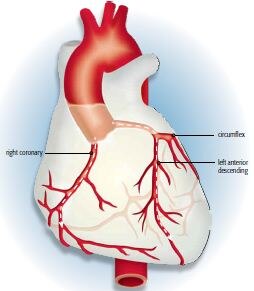
A quoted amount covers only the procedure named on the estimate. Diagnostic coronary angiography passes a catheter through an artery, injects iodinated contrast, and uses X-ray fluoroscopy to display the heart’s coronary arteries. CT coronary angiography is a non-invasive CT scan, so it is booked and priced separately.
| Procedure | What it shows or does | What changes the quote |
|---|---|---|
| Diagnostic coronary angiography | Images the coronary arteries using a catheter, contrast, and fluoroscopy | Access site, catheter supplies, contrast, laboratory, and observation charges |
| CT coronary angiography | Produces coronary images without a catheter inside an artery | CT facility, scan protocol, heart-rate preparation, and reporting fees |
| Peripheral angiography | Images leg, pelvic, renal, carotid, or upper-limb arteries | Each territory needs different catheters, contrast volumes, and procedure times |
| Treatment during angiography | PCI, balloon angioplasty, stent placement, or peripheral embolisation treats a blockage or bleeding vessel | Devices, extra procedure time, medicines, and admission can substantially increase the bill |
Peripheral angiography in Kharadi is not one standard test. Name the body region when requesting a quote; “leg angiography” does not describe the same work as renal or carotid angiography.
Ask these questions before booking:
- Is the amount for diagnostic images only, or does it include PCI, balloon angioplasty, a stent, or embolisation?
- Are contrast, sterile disposable catheters, medicines, recovery monitoring, and access-site closure devices included?
- Are consultation, blood tests, ECG, taxes, and overnight admission included if treatment follows?
The phrase coronary peripheral angiography in Kharadi cost has no single tariff because territory and treatment determine the final bill.
When angiography is appropriate—and when another test comes first
Angiography is appropriate when a doctor needs a detailed map of a suspected arterial blockage or must plan treatment. Coronary angiography may follow suspected obstructive coronary artery disease, an abnormal stress test, ongoing or recurrent chest pain, acute coronary syndrome, or assessment before selected heart procedures.
Peripheral angiography in kharadi may examine leg, pelvic, renal, carotid, or upper-limb arteries. It may be considered for walking-related calf pain, a non-healing foot wound, weak pulses, acute limb ischemia, or suspected blockage in a named arterial territory.
For stable symptoms, another investigation often comes first:
- Coronary symptoms: ECG, echocardiogram, stress test, or CT coronary angiography.
- Peripheral symptoms: ankle-brachial index, Doppler ultrasound, or CT or MR angiography.
- Test selection: the suspected vessel, urgency, kidney function, and heart rhythm determine the safest useful option.
Angiography uses iodinated contrast and X-ray imaging, so it is not automatically the first test. A simpler study may answer the clinical question without catheter access. The angiography cost in kharadi also depends on whether the study is diagnostic, covers one vascular territory, or leads to angioplasty or stenting.
Do not book a routine slot for new or worsening chest pressure, breathlessness, fainting, cold sweating, or pain spreading to the arm or jaw. Seek emergency assessment immediately, because acute coronary syndrome requires urgent evaluation rather than outpatient scheduling.
How to book angiography in Kharadi safely and choose the right operator
Before you book angiography in Kharadi, give the facility enough information to judge safety, urgency, and operator expertise.
- Referral or clear indication for the procedure
- Previous ECG and stress-test results
- Coronary, Doppler, CT, MR, or other imaging reports
- Complete medication list, including doses
- Any previous reaction to iodinated contrast
- Kidney disease, diabetes, or dialysis history
- Current warfarin, direct oral anticoagulant, aspirin, or other antiplatelet use
- Whether recent creatinine and estimated glomerular filtration rate, or eGFR, are required
Never stop warfarin, a direct oral anticoagulant, aspirin, or another antiplatelet medicine yourself. The procedural team must give drug-specific instructions because stopping treatment can cause thrombosis, while continuing it can increase access-site bleeding.
| Planned work | Training to verify | What to confirm |
|---|---|---|
| Coronary angiography | Cardiologist with catheter-laboratory and interventional-coronary training | Who will perform the diagnostic study and manage PCI if needed? |
| Leg, pelvic, renal, carotid, or upper-limb angiography | Interventional cardiologist, vascular surgeon, or interventional radiologist | Does the operator regularly treat this vessel and planned condition? |
| Diagnostic imaging only | Specialist experienced in the named vascular territory | Is angioplasty, stenting, or another treatment excluded from the booking? |
For a coronary angiography doctor in Kharadi, check cardiology and catheter-laboratory credentials rather than choosing by title alone. Dr Pramod Narkhede can discuss whether the proposed test and operator fit your indication before you book angiography in Kharadi.
Related service
 | Coronary & Peripheral Angiography Coronary & Peripheral Angiography Dr. Pramod Narkhede is a reliable and one of the Best Cardiologist in Wadgaon Sheri, Pune and Best Cardiac Surgeon in Wadgaon Sheri, Pune. View service → |
What happens after angiography and when to seek help
A straightforward diagnostic angiogram may take about 30 minutes, but preparation, recovery, observation, and access-site checks usually make the visit several hours. Same-day discharge is common when no treatment or complication occurs.
1. Coronary angiography usually enters through the radial artery at the wrist or the femoral artery at the groin. Radial access often allows earlier walking and causes less access-site bleeding, but it is not suitable for every patient or procedure.
2. Keep the wrist or groin site clean and follow the discharge instructions on bathing, lifting, driving, and strenuous activity. Do not remove a dressing or compression device early.
3. Check the site after discharge for persistent bleeding, increasing swelling, worsening pain, colour change, or numbness. Apply firm pressure for bleeding and seek urgent medical attention for heavy bleeding, or for a limb that becomes cold and painful.
4. Take discharge medicines exactly as prescribed and attend the advised follow-up. Ask when you can resume blood thinners, work, exercise, and normal lifting; do not change these instructions yourself.
Before you book angiography in Kharadi, confirm the angiography cost in Kharadi, final estimate, included services, expected stay, discharge medicines, and the process and extra charges if angioplasty or stenting is recommended.
Frequently asked questions
What should an angiography quote in Kharadi include?
Ask for an itemised quote covering the procedure, contrast dye, catheter and other consumables, medicines, monitoring, recovery-room care, doctor fees, facility charges, and any overnight stay. Request separate prices for diagnostic coronary angiography, diagnostic peripheral angiography, and combined procedures.
What does coronary or peripheral angiography actually cover?
Diagnostic coronary angiography uses a catheter and contrast dye to show the heart arteries. Peripheral angiography images blood vessels outside the heart, such as arteries supplying the legs. Confirm whether the quoted amount covers imaging only or also angioplasty, stent placement, additional views, or treatment during the same session.
When is angiography appropriate, and what test might come first?
A clinician chooses angiography when detailed vessel images are needed for diagnosis or treatment planning. Depending on symptoms and risk, an electrocardiogram, echocardiogram, stress test, ankle-brachial index, Doppler ultrasound, CT angiography, or blood tests may come first.
How can you book angiography safely in Kharadi?
Verify the hospital or diagnostic centre, ask which doctor will perform and interpret the study, confirm fasting and medicine instructions, disclose kidney disease and contrast allergies, and obtain a written estimate. Choose a facility that explains emergency support and follow-up arrangements.
What happens after angiography, and when should you seek help?
Expect observation while the access site is checked, followed by instructions about fluids, medicines, activity, and wound care. Seek urgent medical help for heavy bleeding, rapidly increasing swelling, severe chest pain, breathlessness, fainting, fever, or a cold, pale, numb, or painful limb.


